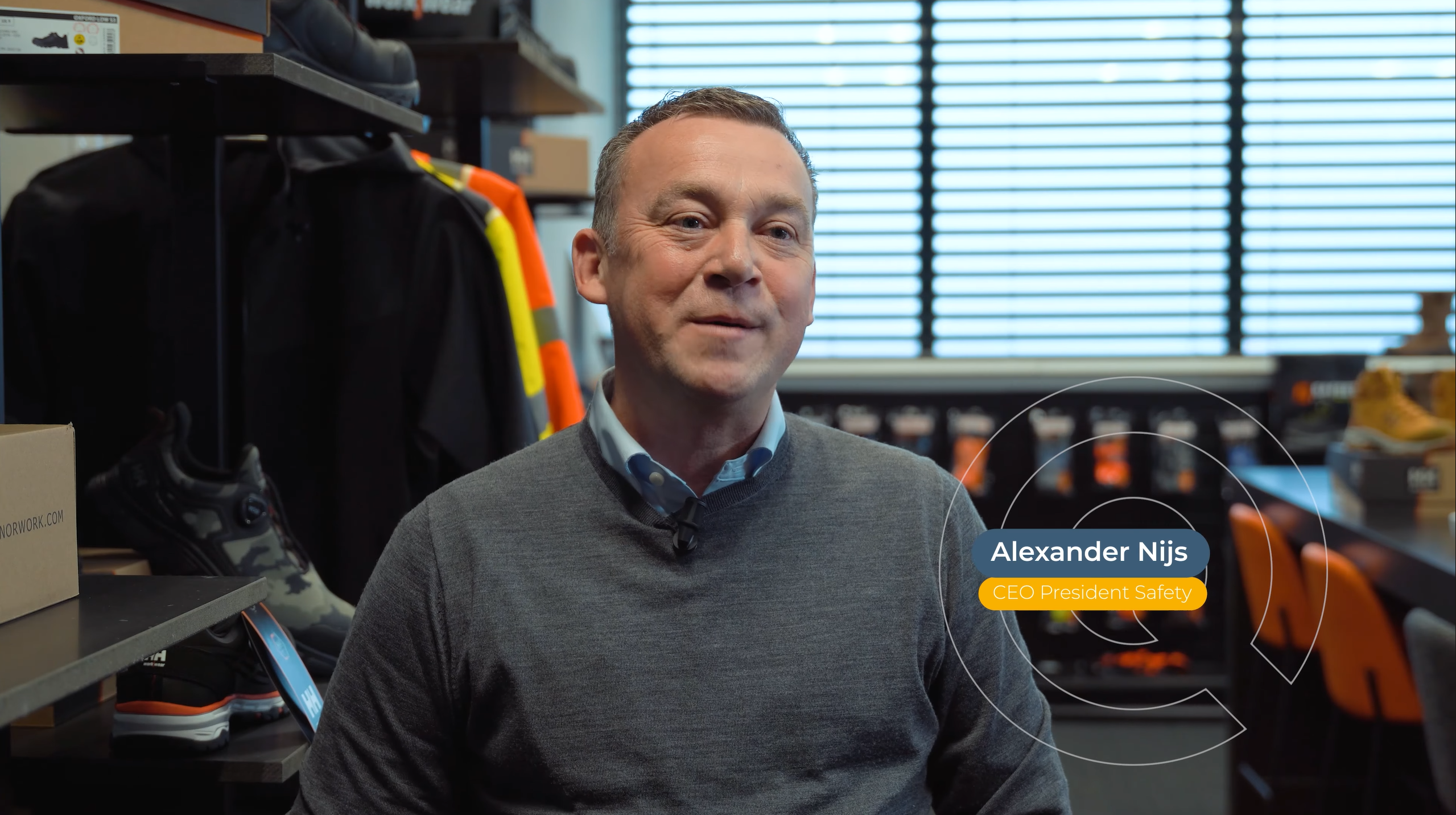

Eerder dit jaar vond de interactieve digitale sessie ‘Haal het maximale uit je productieproces’ plaats. Marc van der Zon, Director Sales & Marketing bij Quinso, opende de sessie met de woorden: ‘Ons doel is om bedrijven in de maakindustrie mee te nemen op de weg naar een zo efficiënt mogelijk productieproces en hen te helpen bij het worden van een intelligent manufacturer’. Vervolgens kwamen Wouter Vervoort en Jurgen de Jong, Quinso experts vanuit de implementatie en techniek, aan het woord. Ook deelde Rens Konings van CoreDux, een organisatie die het traject al heeft doorlopen, zijn ervaring. Na het plenaire gedeelte was er nog een interactief deel. Zo’n 20 professionals op het gebied van supply chain, business consultancy, IT en logistiek gingen hier met elkaar in gesprek over het optimaliseren van je productieproces en de uitdagingen. Volgens de deelnemers was het een geslaagde sessie met zinvolle discussies. ‘By far het meest interessante webinar dat ik het laatste jaar gevolgd heb,’ berichtte René Kuipers, Business Analyst bij MCB, ons na zijn deelname aan de sessie. Ben je benieuwd waar hij dat op baseert? We delen de inzichten uit de sessie graag met je in deze blog.

3 trends in manufacturing process optimization
Wouter Vervoort has been involved in various supply chain and manufacturing issues since 2000, including for Oerlikon, HunterDouglas and CoreDux. From his practical experiences, he took us through the three trends he sees in optimizing the production process:
1. Customer determines
About a decade ago, we saw mostly mass production. Here the producer determined what the product would look like. In recent years, we have seen this shift: customers largely want to be able to determine what the product will look like. Wouter cited HunterDouglas, the world market leader in window coverings, as an example. You see there that every curtain is still just a little different and that customers these days even choose their own prints.
2. Greater visibility into production
We want more and more visibility into the running of production through vertical integration: from the planning to the machine and from the machine back to the planning. We also want to have all the numbers automated as much as possible so we can do good analysis on them. For example, you gain insight into which malfunctions take the most time, so you can more specifically resolve the malfunctions that have the most impact on the production process.
3. Ever-changing priorities
Customers want to determine not only what the product will look like, but also exactly when they want it. To take curtains again as an example: people are remodeling and have ordered curtains, but the remodeling is delayed or accelerated. Then they call the supplier, “Can it be delivered earlier or later? So priorities are constantly changing. Those new priorities have to go to the floor, the paperwork has to be checked, and then it has to go back up. And when all that is done? Then new priorities lie ahead. Of course, this can be done much more easily by using real-time data so that the right priorities can be set immediately.
Hoe helpt QMES bij het inspelen op die trends?
Jurgen de Jong is Senior Integratie Specialist bij Quinso en heeft jarenlange ervaring op het gebied van integratie tussen topfloor en shopfloor. Tijdens de sessie legde hij uit wat de voordelen van Quinso’s Manufacturing Execution System (QMES) oplossing zijn en hoe deze bijdragen om het maximale uit je productieproces te halen.
Seamless integration with SAP and the factory floor
QMES is een oplossing die gebruik maakt van SAP Manufacturing, Integration en Intelligence. De oplossing sluit compleet aan bij de standaard van SAP, waardoor QMES de intelligente verbinding richting de fabrieksvloer is. De data van de fabrieksvloer wordt vertaald naar data die geschikt is voor SAP en vice versa. Op die manier wordt gewerkt richting een papierloze fabriek.
Self-explaining user interface
Jurgen taught us that you can compare a user interface to a joke: if you have to explain it, it’s no good. So if you put a screen in front of an operator, the idea is that he should immediately see what he can do with it and the result of his work.
Deployable within weeks
QMES is opgebouwd uit de ervaring die Quinso de afgelopen jaren opdeed bij klanten. We zagen dat het proces bij de meeste klanten binnen de maakindustrie enigszins hetzelfde is. Al die ervaring is daarom samengepakt in één oplossing. Hierdoor kan 80 procent van de functionaliteit al in een paar weken worden opgeleverd.
Flexible enough to embrace proprietary processes
Most organizations may work the same way, but there are always organization-specific processes. Because 80 percent is delivered in the first few weeks, there is ample time left after that for customer-specific processes. Quinso works according to the Scrum method, allowing the delivered product to be extended with new functionalities each time.
Customer speaking
Do all these benefits sound too good to be true? According to Rens Konings, who is responsible for supply chain and business process management within CoreDux, not: ‘I can only confirm that it’s really all true. After going live, we had arranged people to provide support on the production floor, but within half an hour it was running like clockwork. The users find it easy to work with the interface and benefit greatly from it, which we also see in the reports, which have become much better because of it.’
Rens also offers some tips for companies looking to make the switch:
- De voorbereiding is erg belangrijk. Ga bij vergelijkbare industrieën kijken wat zij geleerd hebben en wat het hen brengt.
- Zorg dat je vooraf het IT- en proceslandschap helder hebt. Zo weet je waar potentiële bottlenecks zitten en kun je op tijd bijschakelen.
- Denk niet in de technische details van de oplossing, maar in het gewenste eindresultaat. De specifieke oplossing om dat eindresultaat te bereiken volgt dan vanzelf.
- Begin met de basis en ga na de livegang pas verder doorontwikkelen. Hoe cliché het ook klinkt, de beste ideeën voor meer gebruiksvriendelijkheid komen uit de praktijk.
- Is je organisatie niet gewend aan verandering? Denk dan goed na over change management. Zorg dat je blijft doorontwikkelen en evalueren, zodat je mee kan bewegen met de vraag die vanuit de markt komt.
Interactive section
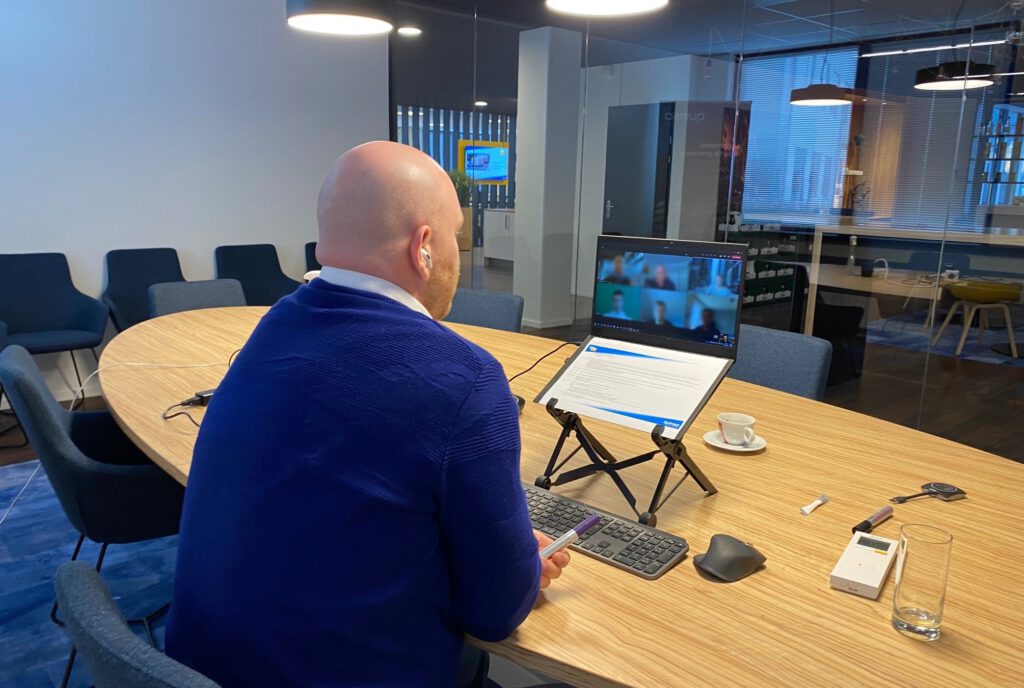
Nadat Rens vertelde over de succesvolle implementatie van QMES bij CoreDux werden de deelnemers opgedeeld in twee parallelsessies onder leiding van Wouter en Jurgen. Er bleek veel interesse te zijn in wat QMES precies is en deelnemers namen enthousiast deel aan de discussie. Ook werd er gesproken over het belang van het op orde hebben van de Master Data voor het starten met QMES. Daarnaast herkenden de deelnemers de wens om verder te digitaliseren en af te stappen van papieren aansturing.
In conclusion
Marc van der Zon sloot de sessie af met een korte samenvatting: ‘QMES helpt je dus met het integreren van de topfloor en de shopfloor, zodat je kan leveren wat er beloofd is en op tijd. Het is een oplossing die op korte termijn in te zetten is en vervolgens verder uitgebreid kan worden. Het uiteindelijke doel is een papierloze shopfloor en de juiste interface kan ervoor zorgen dat er snel geoptimaliseerd wordt. CoreDux is het bewijs dat wat wij doen ook echt in de praktijk werkt.’
It was with great pleasure that we organized this session and look back on relevant and meaningful substantive discussions. For the participants and for us. Therefore, we will definitely repeat this in the future. Do you want to be there next time? Please email info@quinso.com and you will receive an invitation to this in due course.
De verhalen van Wouter, Jurgen en Rens kun je overigens hier ook luisteren en bekijken. Meer informatie over QMES vind je hier. En wil je weten wat Quinso’s QMES specifiek voor jouw organisatie kan betekenen? Neem dan rechtstreeks contact op met Wouter via 06-23731994 of wouter.vervoort@quinso.com. Hij gaat er graag met je over in gesprek.